
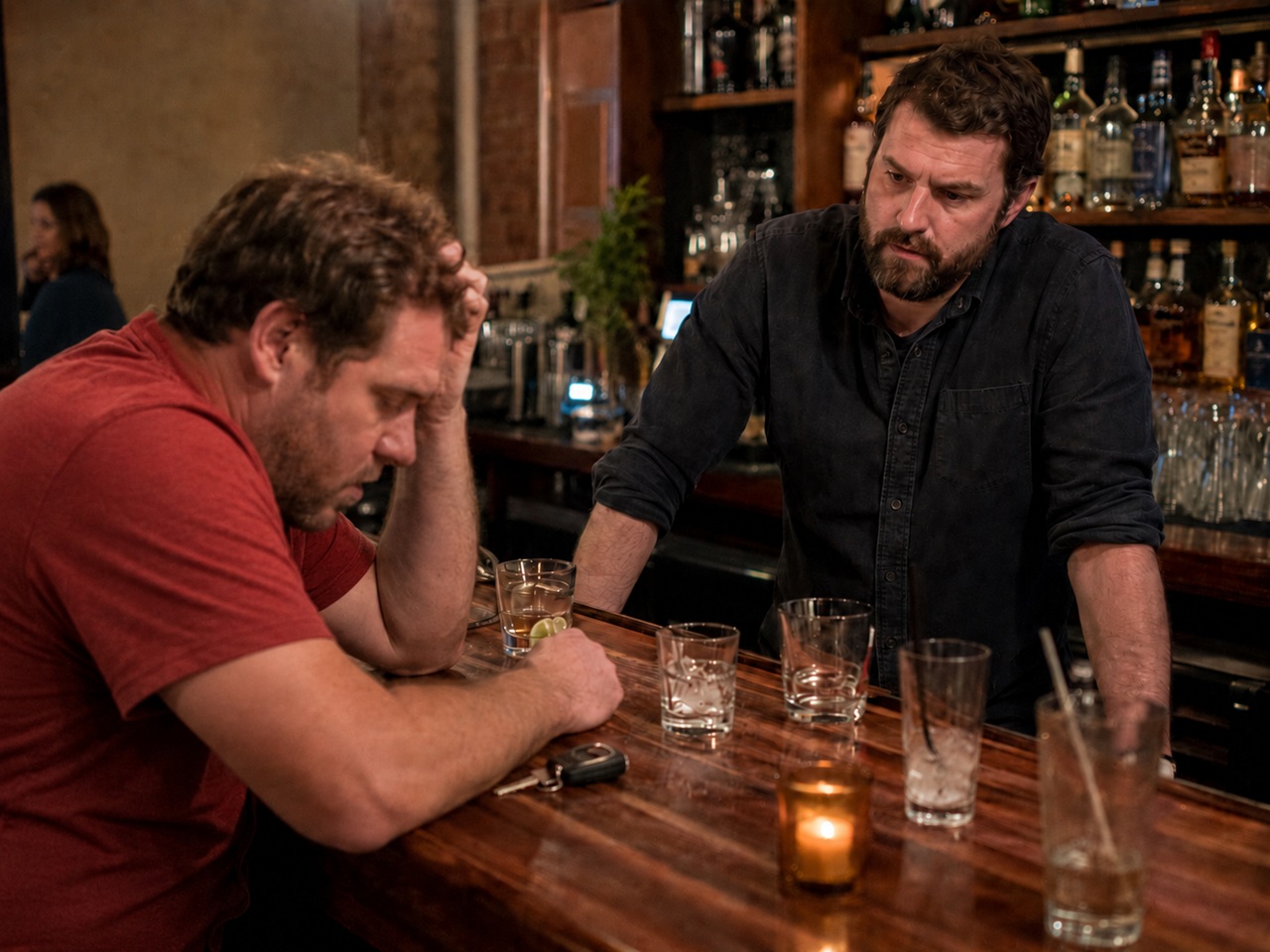
Arkansas Law Can Hold Alcohol Sellers Liable For Serving Clearly Intoxicated Customers
A driver leaves a Jonesboro bar after drinking, gets behind the wheel, and causes a serious crash a few miles away. The drunk driver may be the most obvious person responsible, but they aren't always the only party whose actions need to be investigated.
Under Arkansas law, a licensed alcohol seller may face civil liability when it knowingly sells alcohol to someone who is clearly intoxicated, or does so under circumstances where it reasonably should have known the person was clearly intoxicated, and that sale contributes to injuries suffered by someone else. That can give people hit by a drunk driver another potential path to accountability beyond a claim against the driver alone.
At McDaniel Law Firm, PLC, our Jonesboro car accident lawyers investigate what happened before an alcohol-related crash as carefully as what happened on the road. Receipts, surveillance footage, witness accounts, transaction records, and evidence of the driver's condition may help determine whether a bar, restaurant, or other alcohol retailer contributed to the crash.
Arkansas Dram Shop Law Creates Liability In Limited Circumstances
Arkansas doesn't automatically make a bar responsible simply because someone drank there before causing a crash.
Under Arkansas Code §§ 16-126-103 and 16-126-104, civil liability can arise in two important situations involving an alcoholic beverage retailer.
Section 16-126-103 addresses knowing sales of alcohol to minors. A jury may consider whether the sale was a proximate cause of injuries caused by the minor when the retailer knew, or reasonably should have known, that the purchaser was underage.
Section 16-126-104 addresses sales to a clearly intoxicated person. Liability may become an issue when a retailer knowingly sold alcohol to someone who was clearly intoxicated or reasonably should have known the customer was clearly intoxicated at the time of the sale, and the sale was a proximate cause of injuries to another person.
The law therefore requires more than showing that a receipt exists or that the driver had been drinking. The investigation needs to connect the alcohol sale, the customer's condition, and the crash.
Clearly Intoxicated Has A Specific Meaning Under Arkansas Law
Arkansas law doesn't define a "clearly intoxicated" customer as anyone who has consumed alcohol.
Section 16-126-104 describes the person as being so obviously intoxicated at the time of the sale that they present a clear danger to others.
Evidence that may help establish a person's condition can include:
- Difficulty Walking Or Standing: Surveillance video or witnesses may show stumbling, swaying, falling, or needing support.
- Slurred Or Confused Speech: Bartenders, servers, patrons, or companions may have heard obvious changes in the person's speech or ability to communicate.
- Loss Of Coordination: Dropping items, fumbling with money, or struggling with basic physical tasks may become relevant when evaluating the person's condition.
- Behavioral Changes: Loud, aggressive, confused, unusually impulsive, or erratic behavior may contribute to the overall evidence.
- Drink Purchases: Tabs, receipts, and point-of-sale records can help establish what was purchased and when, although they don't necessarily prove who consumed every drink.
- Statements From Witnesses: Employees, other patrons, friends, or people who encountered the driver before leaving may provide important observations.
No single sign automatically proves dram shop liability. The evidence has to be considered together to determine what the retailer knew or reasonably should have known when alcohol was sold.
Evidence From Before The Crash Can Be Just As Important As The Police Report
A drunk driving investigation naturally focuses on what happened after the driver got behind the wheel. Police may document field sobriety testing, chemical test results, witness statements, citations, and observations about impairment.
Your Arkansas car accident report may contain important information showing whether alcohol was suspected, whether testing was requested, and what officers observed at the scene.
A potential dram shop claim requires investigators to work backward from the crash.
That may involve obtaining:
- Bar or restaurant surveillance footage.
- Receipts and itemized drink tabs.
- Credit and debit card transaction records.
- Point-of-sale timestamps.
- Statements from bartenders, servers, managers, and patrons.
- Parking lot or nearby business video.
- Text messages or social media evidence showing where the driver had been drinking.
- Police records and toxicology evidence.
This evidence can disappear quickly. Surveillance systems may overwrite footage, employees may leave their jobs, and witnesses' memories can fade. Preserving evidence early can make a major difference when trying to reconstruct what a retailer knew before the driver left.
A High BAC Alone Doesn't Automatically Prove The Bar Is Liable
A driver may have a very high blood alcohol concentration after a crash, but that number alone doesn't necessarily establish what a bartender or server observed at an earlier point in the night.
The legal inquiry focuses heavily on the customer's condition when the alcohol was sold.
A person may have consumed alcohol at several locations, continued drinking after leaving a restaurant, or consumed alcohol that wasn't purchased from the business being investigated. Those facts can complicate the causal connection between one particular retailer and the eventual crash.
Evidence showing how alcohol impairment developed, when drinks were purchased, where the driver went afterward, and how much time passed can help reconstruct the sequence leading to the collision.
Arkansas Law Gives Alcohol Retailers An Important Defense
Even when a customer was intoxicated, a bar or restaurant may raise defenses under Arkansas law.
Section 16-126-104 provides an affirmative defense when the alcohol retailer had a reasonable belief that the person wasn't clearly intoxicated at the time of the sale or reasonably believed the person wouldn't be operating a motor vehicle while impaired.
That makes details about the customer's behavior and transportation plans especially important.
For example, evidence may address whether the customer arrived with a designated driver, told employees someone else was driving, left in a rideshare vehicle, or later returned and drove after the business reasonably believed transportation had been arranged.
These cases rarely turn on one fact alone. The entire timeline matters.
Social Hosts Are Treated Differently From Licensed Alcohol Sellers
Arkansas law draws an important distinction between licensed alcohol retailers and private social hosts.
Under Arkansas Code § 16-126-106, providing alcohol to a person who can lawfully possess it generally doesn't create civil liability for a social host or another person who doesn't hold an alcoholic beverage vendor's permit based solely on furnishing that alcohol.
That means serving an adult guest at a private party isn't treated the same way as a licensed retailer selling alcohol to a clearly intoxicated customer.
Alcohol involving minors raises separate legal concerns. Arkansas law restricts furnishing alcohol to minors, and § 16-126-103 specifically addresses civil liability involving knowing sales by alcoholic beverage retailers to underage purchasers. The precise facts about who supplied or sold the alcohol and under what circumstances need to be examined before assuming a private host can be treated like a bar or restaurant.
You May Be Able To Pursue More Than One Responsible Party
A potential claim against a bar doesn't erase the drunk driver's responsibility for causing the crash.
Depending on the evidence, an injured person may have claims involving the impaired driver as well as an alcohol retailer whose conduct satisfies Arkansas's dram shop requirements. Each party's conduct, causation, and legal responsibility must be evaluated separately.
This can become particularly important after a catastrophic injury or fatal crash where the available auto insurance isn't enough to cover the full losses.
A lawyer can investigate all potentially responsible parties and available insurance rather than assuming the driver's auto policy is the only possible source of car accident compensation.
Whether a business has insurance that applies to an alcohol-related liability claim depends on its actual policies and coverage. Victims shouldn't assume every alcohol seller carries a particular type or amount of liquor liability insurance.
Dram Shop Claims Can Include Serious Injury And Wrongful Death Losses
A drunk driving collision can leave someone facing emergency treatment, surgery, rehabilitation, permanent disability, lost income, and years of medical care.
Depending on the facts and Arkansas law, recoverable damages in an injury claim may include:
- Medical Expenses: Emergency care, hospitalization, surgery, rehabilitation, medication, and future treatment related to the injuries.
- Lost Income: Wages and other earnings lost while recovering.
- Reduced Earning Capacity: Future financial losses when permanent injuries affect the person's ability to work.
- Pain And Suffering: Compensation for physical pain, emotional harm, and the broader effects of the injuries.
- Property Damage: Vehicle repair or replacement and other crash-related property losses.
When a drunk driving crash is fatal, surviving family members may also have an Arkansas wrongful death claim. The damages and parties entitled to recover in a wrongful death case follow their own legal rules.
Punitive damages may also become an issue in some cases, but they're not automatic merely because alcohol was involved. The evidence must satisfy Arkansas's legal standard for punitive damages.
Acting Quickly Can Preserve Evidence Of What Happened Inside The Bar
Some of the most valuable dram shop evidence may disappear long before an ordinary injury lawsuit deadline becomes an immediate concern.
A preservation request can put a business on notice that relevant surveillance footage, receipts, transaction records, schedules, and other information should be retained. Investigators may also need to identify employees and patrons before they become difficult to locate.
Waiting can give both the driver's insurer and the business's insurer more time to develop their defenses while evidence favorable to the injured person disappears.
An early investigation doesn't assume the bar is liable. It preserves the information needed to find out whether it is.
Our Jonesboro Drunk Driving Lawyers Investigate Everyone Who May Share Responsibility
A serious drunk driving crash shouldn't be investigated only from the moment of impact forward. Sometimes the most important evidence begins hours earlier, inside the bar or restaurant where the driver was drinking.
Our attorneys at McDaniel Law Firm, PLC investigate the driver's conduct, the alcohol service that preceded the crash, available video and transaction records, witness accounts, insurance coverage, and every other potential source of responsibility. We've spent more than 50 years representing injured people and families throughout Jonesboro and Northeast Arkansas.
If you were injured or lost a loved one in a crash involving a drunk driver, contact us for a free consultation. We can investigate whether the driver, an alcohol retailer, or another party may be legally responsible for what happened.
"We contacted the McDaniel Law Firm after the death of my mother as the result of an automobile accident. They handled her case in a timely, professional, and compassionate manner...It was obvious the insurance companies that were involved were quite familiar with their firm, which in my opinion was the reason the case was settled quickly without a lot of stonewalling." - Terry B., ⭐⭐⭐⭐⭐