
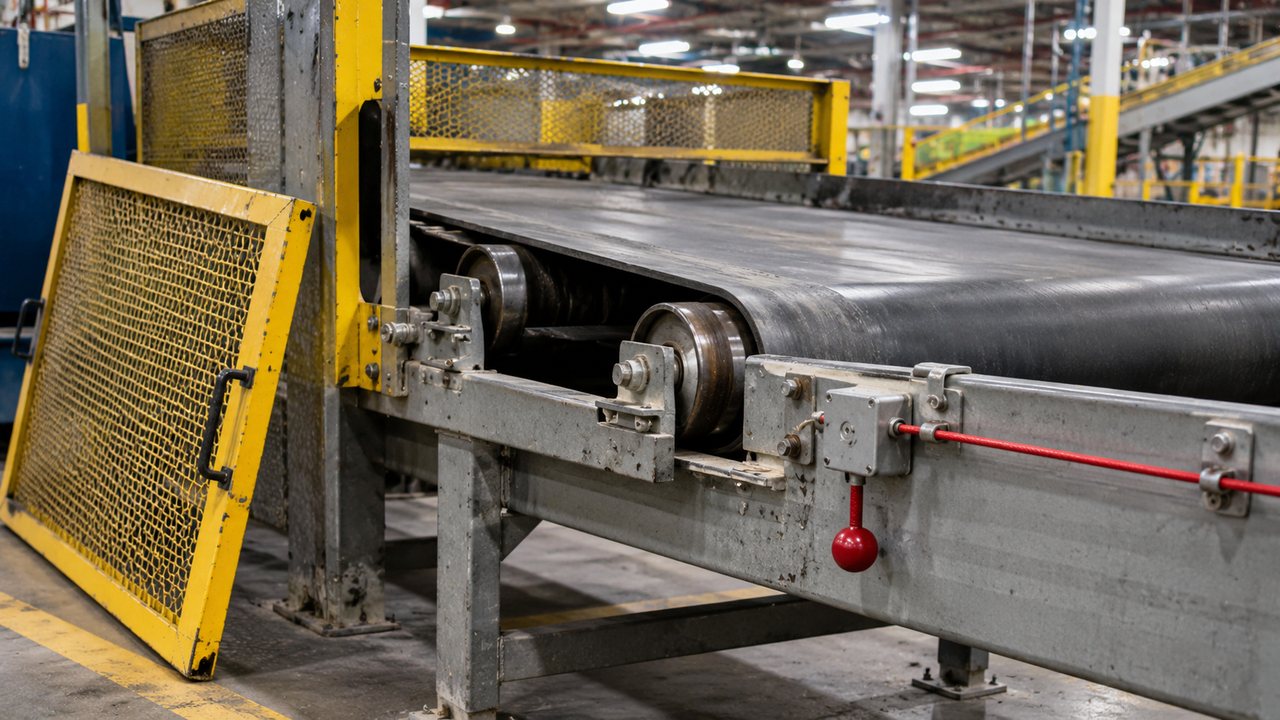
Missing Guards, Failed Emergency Stops, and Design Flaws Can Make the Machine’s Manufacturer Pay
Conveyor belt injuries in Arkansas happen in poultry plants, rice mills, grain facilities, sawmills, and warehouses. A moving belt can catch a glove, sleeve, or hand in a split second. It can then pull the worker’s arm into a roller. The results can be devastating and permanent.
Many injured workers assume workers’ compensation is the only help available. Often, though, the conveyor itself was dangerous before the worker ever touched it. A guard may have been easy to remove, or an emergency stop may have failed. In those cases, the company that built the machine may face a product liability claim.
At McDaniel Law Firm, PLC, our Arkansas machinery injury lawyers know these cases turn on the machine. The conveyor can be repaired, modified, or restarted within days of an injury. That’s why we move quickly to preserve it and have it inspected before the evidence changes.
Key Points for Injured Workers
|
Common Conveyor Belt Injuries
Many serious conveyor injuries start at a nip point, where a moving belt meets a pulley or roller. The belt pulls anything that touches it into that gap with tremendous force, and it doesn’t stop pulling. A worker clearing a jam or cleaning a belt can suffer several serious injuries in just a few seconds:
- Amputations – Fingers, hands, and arms can be crushed or severed when they’re pulled into a roller or pulley.
- Degloving Injuries – A moving belt can tear skin and soft tissue away from the muscle and bone underneath, often requiring multiple surgeries.
- Crush Injuries – Pressure between a belt and roller can damage muscles, blood vessels, and nerves, sometimes leading to permanent loss of use.
- Broken Bones – Arms, wrists, and shoulders can fracture when a limb is twisted or pinned by the machine.
- Friction Burns – A belt rubbing against skin at high speed can cause deep burns that leave lasting scars.
- Nerve Damage – Crushing and tearing forces can leave workers with numbness, weakness, or chronic pain in the injured limb.
Many of these are serious injuries that change a worker’s life for good. They can mean years of medical care, prosthetics, therapy, and a job the worker can no longer do. In the worst cases, a worker is killed. The severity of the injury is a big reason a claim against the manufacturer can matter so much.
What OSHA’s Machine Guarding Rules Require
The Occupational Safety and Health Administration (OSHA) sets federal workplace safety rules. Its machine guarding standard, 29 CFR 1910.212, requires guarding against hazards such as ingoing nip points and rotating parts. Guards generally must be attached to the machine and can’t create a hazard of their own.
A second rule, known as lockout/tagout, covers servicing and maintenance. Under 29 CFR 1910.147, machines must be shut down and cut off from power before workers reach into them. OSHA estimates that following this standard prevents about 120 deaths and 50,000 injuries each year.
Both rules show up again and again in enforcement. Lockout/tagout and machine guarding each made OSHA’s list of the 10 most frequently cited standards for fiscal year 2025. OSHA rules apply to employers, but they also show the hazards conveyor manufacturers have long known about.
Conveyor Defects That Can Lead to a Product Liability Claim
A product liability claim focuses on whether the conveyor was unreasonably dangerous when it left the manufacturer. Many conveyor cases involve design defects. The machine was built as planned, but the plan itself put workers at risk. Here’s how some common conveyor defects can point back to the company that built the machine.
| Safety Problem | How It Can Show a Design or Manufacturing Defect |
|---|---|
| Missing or removable guards | Guards that come off without tools or lack interlocks that stop the belt when opened |
| Failed emergency stops | Stop buttons or control circuits that don’t shut the belt down quickly when pressed |
| Unreachable pull cords | Emergency pull cords that don’t run the length of the conveyor or sit out of a trapped worker’s reach |
| Lockout/tagout obstacles | No clear, lockable shutoff point, which makes it hard to fully cut power before maintenance |
| Jam-prone design | A layout that jams often and forces workers to reach into moving parts to clear it |
| Weak warnings | Missing or unclear labels about nip points and the need to lock out power |
Manufacturers often argue that the employer removed a guard or changed the machine. Those arguments don’t automatically defeat a claim. If a guard was so inconvenient that removing it was predictable, the design itself may be the problem. Safer options like interlocked guards exist, and a manufacturer’s choice not to use them can matter.
Can You Sue Your Employer After a Conveyor Belt Injury?
Usually, no. Under Arkansas Code Section 11-9-105, workers’ compensation is generally the exclusive remedy (legal term for the only form of recovery) against an employer. In exchange, injured workers get medical care and partial wage benefits without having to prove anyone was at fault.
That rule protects the employer, but it doesn’t protect other companies. Under Arkansas Code Section 11-9-410, a workers’ comp claim doesn’t take away the right to sue a third party. In a conveyor case, possible third parties may include:
- The Conveyor Manufacturer – The company that designed and built the system may be responsible for design, manufacturing, or warning defects.
- Component Makers – Companies that made a faulty emergency stop switch, pull cord system, motor control, or guard may share the blame.
- The Installer or Integrator – A company that installed the conveyor or tied it into a larger production line may have left out key safety features.
- Outside Maintenance Contractors – A contractor that serviced the machine and failed to replace a guard or repair a stop control may be responsible for its own carelessness.
Each company that played a role in making the conveyor dangerous can be named in the claim. Finding them often requires purchase records, installation contracts, and service histories. The employer may not share those without legal pressure. A lawyer can track down those records and find every party that should answer for the injury.
How Workers’ Comp and a Product Liability Claim Work Together
An injured worker can usually pursue both claims at the same time. Workers’ compensation pays medical bills and part of lost wages, but it doesn’t pay for pain and suffering. It also doesn’t replace a worker’s full lost earning power after a permanent injury like an amputation.
A product liability claim against the manufacturer can cover those losses. It may include full lost income, future medical care, and pain and suffering. It can also cover permanent disfigurement or disability. For someone who can no longer do the work they’ve done for years, that difference can be life-changing.
The two claims do affect each other. Arkansas law generally gives the employer’s workers’ comp insurance company a lien (legal term for a right to be repaid). That lien attaches to part of the third-party recovery. A lawyer can handle both claims and work to protect as much of the recovery as possible.
Why the Conveyor Itself Is the Most Important Evidence
In a machinery case, the machine tells the story. Engineers need to examine the guards, stop circuits, pull cords, and controls exactly as they were at the time of the injury. Once the employer repairs the conveyor to restart the line, that evidence can be lost for good.
Employers want production back on schedule, and they may have little reason to protect a claim against a manufacturer. A formal preservation demand puts the employer and other companies on notice to save the equipment and records. It can also lay the groundwork for an inspection. Evidence that may matter includes:
- The Conveyor and Its Parts – Guards, switches, pull cords, and control panels should be kept in their post-injury condition for expert inspection.
- Maintenance and Repair Records – Logs can show when guards were removed, whether stop controls were tested, and what repairs were made.
- Manuals and Purchase Documents – These records identify the manufacturer, model, and the safety features that were offered or left out.
- Video and Incident Reports – Plant camera footage and internal reports can show how the injury happened and how the machine responded.
Arkansas generally allows three years to file a product liability lawsuit. A conveyor can be rebuilt or scrapped long before that deadline arrives. Equipment makers and their insurance companies often start building their defense early, too. Calling a lawyer right away gives the best chance to preserve the machine and its records.
Taking On Equipment Makers for Injured Arkansas Workers
A conveyor belt injury can change everything about the way you work and live. You may be facing surgeries, rehabilitation, and the possibility of never returning to your job. Meanwhile, the manufacturer’s lawyers may already be preparing to blame you or your employer for what happened.
McDaniel Law Firm, PLC has fought for injured Arkansans for more than 50 years. Our attorneys have successfully taken on trailer manufacturers over missing side underride guards. Like a conveyor guard, that safety device exists to keep people away from a deadly hazard. We work with engineering experts, preserve the equipment, and build each case around the machine.
The evidence in a conveyor case won’t wait, and neither should you. Schedule a free consultation so we can start protecting the machine and the records that prove your claim. Families who lost someone in a conveyor accident may also have a wrongful death claim, and we can explain how it works.
“If you have a case and unsure how to proceed these are the guys to call. After my free consultation they looked at my facts and we decided the evidence was favorable. Can’t say enough about the firm listening and helping my through a grievous time.” – Kenny W., ⭐⭐⭐⭐⭐